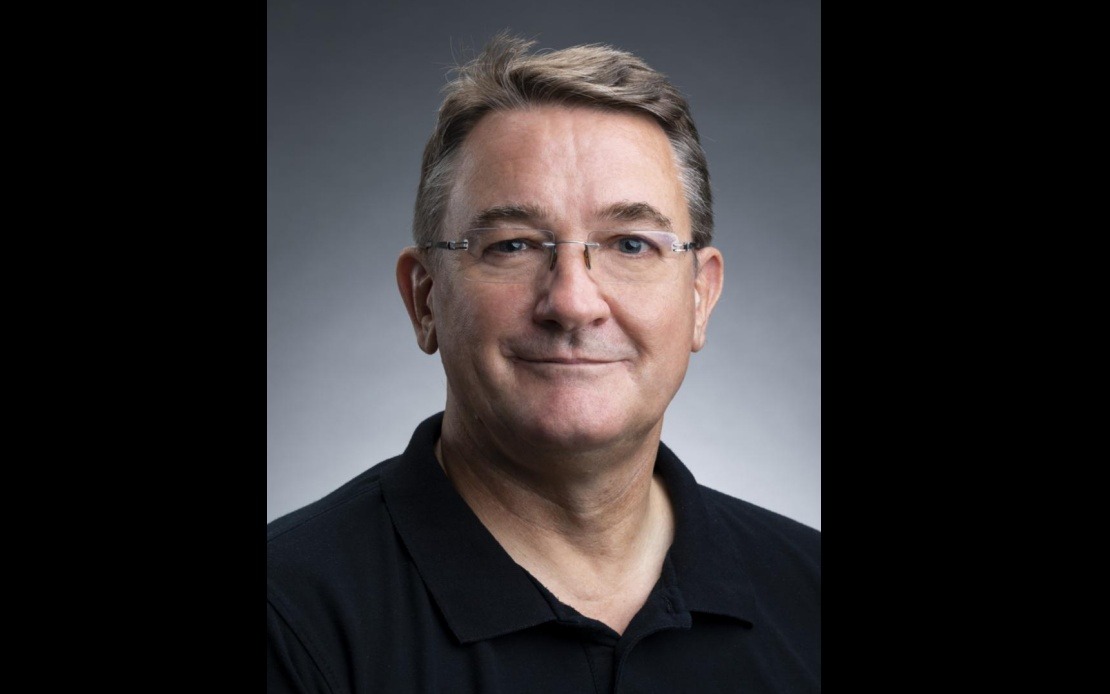
Dr David Lacey, a prominent figure in Malaysia's semiconductor industry and current chairman of the Semiconductor Fabrication Association of Malaysia (SFAM), has been appointed as the new British Honorary Consul in Penang. The 60-year-old appointment marks a transition in the consulate leadership, with Lacey succeeding Datuk Robert Hawkins, who stepped down from the role after two decades of service to the British community and diplomatic mission in the northern state.
British High Commissioner to Malaysia Ajay Sharma praised the outgoing consul's lengthy tenure while outlining the strategic direction for the new arrangement. According to Sharma, Lacey's appointment carries particular significance for advancing bilateral engagement in sectors critical to both nations' economic futures. The high commissioner specifically highlighted technology, digital innovation, and artificial intelligence as priority areas where the new honorary consul will facilitate collaboration and dialogue with stakeholders in Penang and the broader northern region.
The designation reflects a deliberate alignment with Malaysia and the United Kingdom's Strategic Partnership framework, which encompasses deepening cooperation across multiple domains beyond traditional diplomacy. By placing someone with deep roots in the technology and manufacturing sectors in this position, the British mission signals its commitment to substantive engagement with Penang's burgeoning innovation ecosystem. This approach recognizes that modern diplomatic work increasingly requires technical expertise and industry connections alongside conventional consular functions.
Hawkins' two decades of service established considerable institutional knowledge and community relationships that will take time for his successor to develop fully. However, Lacey brings distinct advantages derived from his quarter-century presence in Malaysia and his extensive international experience. His background spanning Europe, the United States, and Asia, combined with his current leadership roles in technology ventures, positions him well to bridge diplomatic objectives with private sector dynamics that increasingly shape regional development.
As honorary consul, Lacey will balance traditional consular responsibilities with economic and strategic engagement functions. The role demands attention to welfare matters affecting British nationals—assisting citizens facing medical emergencies, navigating legal difficulties, or managing situations following deaths abroad. Equally important, the position provides a platform for supporting the broader British mission during crises, whether health emergencies, natural disasters, or other circumstances requiring coordinated diplomatic response. These duties demand both sensitivity and administrative competence.
Beyond consular mechanics, the position creates opportunities for fostering deeper political, academic, and commercial relationships between the United Kingdom and Penang. Lacey's mandate involves working extensively with state government officials, educational institutions, and the local business community to identify mutual interests and facilitate exchanges. In Penang specifically, where technology parks and manufacturing clusters represent significant economic activity, a consul conversant with industrial realities carries distinct advantages in identifying partnership opportunities.
Lacey's credentials underscore his suitability for this diplomatic appointment despite lacking conventional diplomatic training. His doctorate in philosophy from the University of Sussex demonstrates advanced intellectual formation, while his career establishing research and development operations across multiple regions illustrates hands-on management capability. His current directorship at a high-tech semiconductor enterprise in Penang maintains active engagement with cutting-edge industrial dynamics, ensuring his diplomatic work remains grounded in contemporary business realities rather than abstract policy discussions.
Additional board and advisory positions further enhance his profile. Membership on the Collaborative Research in Engineering, Science, and Technology (CREST) board connects him to Malaysia's research infrastructure, while his advisory role with the Academy of Sciences Malaysia (ASM) provides direct access to the country's scientific establishment. These positions have accumulated gradually, reflecting recognition of his contributions by Malaysia's institutional leadership across multiple sectors. His 2021 Honorary Doctorate from Universiti Sains Malaysia for contributions to Malaysia's economic development formally acknowledges his substantive impact beyond formal diplomatic channels.
Lacey's quarter-century residence in Penang since 2001 provides crucial contextual advantage. Long-term settlement in a location generates the relationships, cultural familiarity, and local credibility that facilitate effective representation. Unlike diplomats rotating through postings every few years, honorary consuls typically maintain deep community roots, enabling them to understand local sensitivities and develop genuine relationships with influential figures. This embedded position often renders them more effective advocates for bilateral interests than more transient diplomatic staff.
The appointment reflects broader trends in how developed nations conduct regional diplomacy in Southeast Asia. Rather than relying exclusively on career foreign service officers, nations increasingly position technically credentialed nationals in honorary roles where they can advance specific bilateral interests while maintaining their primary professional engagements. This hybrid model leverages private sector expertise, maintains continuity of relationships, and reduces diplomatic overhead while expanding the geographic reach of consular services. Penang's status as a major technology hub makes this approach particularly suitable.
For Malaysia-UK relations specifically, Lacey's appointment signals serious intent regarding technology sector partnership. British firms and research institutions seek entry points into Malaysian innovation ecosystems, while Malaysian companies require connections to British markets and technology sources. An honorary consul embedded in the semiconductor industry can facilitate introductions, identify collaboration opportunities, and smooth administrative processes that might otherwise frustrate bilateral business efforts. Such facilitation, while seemingly technical, often proves decisive in establishing lasting commercial relationships.
The broader implication for Southeast Asian diplomatic practice involves recognizing that consular representation increasingly requires specialized knowledge beyond traditional diplomatic training. In technology-driven economies, honorary consuls with industry expertise may prove more valuable than conventionally trained diplomats. This trend, evident in British practice, likely influences how other nations approach diplomatic representation in the region, potentially leading to greater emphasis on merit-based selection of honorary officials reflecting local economic structures rather than purely political considerations.

