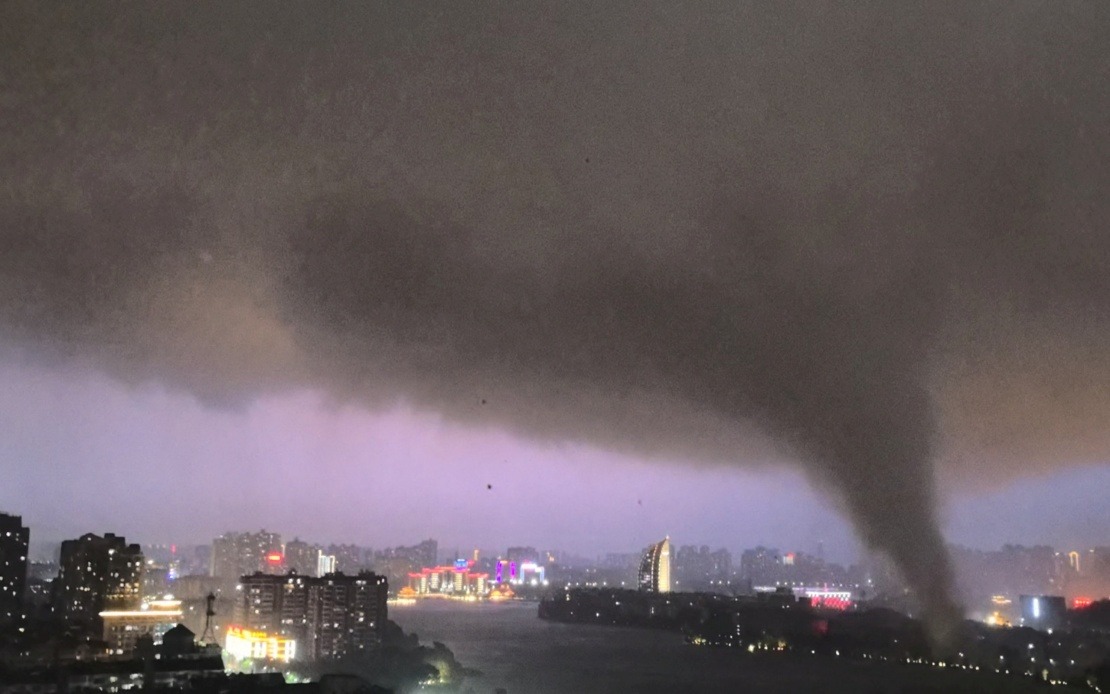
Eleven people have been confirmed dead and one remains unaccounted for following a devastating bout of severe weather that struck the eastern region of Hubei Province in central China on Monday night. The disaster, marked by intense thunderstorms and destructive gales, has prompted provincial authorities to mobilize comprehensive rescue and recovery operations across the affected areas. The fatalities and ongoing search efforts underscore the severe impact of the extreme convective weather system that descended upon the region with little warning.
The most intense period of the storm occurred between 7 pm and 11 pm on Monday evening, during which thunderstorms and powerful winds battered four cities in the eastern part of the province: Huangshi, Huanggang, Ezhou, and Xianning. The ferocity of the weather system was particularly evident in two townships within the region, where gales reached level 13 on the wind scale—a classification indicating winds capable of causing significant structural damage and presenting grave dangers to human life. Local meteorological authorities have confirmed that certain areas within the storm's path also experienced tornado activity, adding another layer of devastation to the already severe conditions.
The material destruction wrought by the severe weather has been substantial and widespread. According to preliminary assessments by local authorities, the storms completely destroyed 22 buildings across the affected regions, while an additional 4,855 structures sustained varying degrees of damage. The scale of property damage reflects both the intensity of the weather event and the density of settlement in these urban and semi-urban areas. Beyond the physical destruction of buildings, the extreme weather has also disrupted essential services and infrastructure in multiple municipalities, complicating immediate relief efforts.
The human toll extends beyond the confirmed fatalities. Authorities have reported that 331 residents sustained injuries during the storm event, ranging from minor wounds to serious trauma requiring medical intervention. These injuries resulted from flying debris, collapsing structures, and other hazards associated with the violent weather conditions. Local hospitals and medical facilities across the four affected cities have been mobilized to handle the influx of injured persons, with healthcare workers prioritizing critical cases requiring immediate surgical or intensive care interventions.
Provincial authorities have activated comprehensive response mechanisms to address the immediate humanitarian crisis and prevent additional casualties or property damage from secondary effects. The all-out rescue and relief efforts involve coordinated deployments of emergency services, including firefighters, medical personnel, and civilian rescue teams. A primary focus of these operations is locating the one person still reported missing in the disaster aftermath, with search teams systematically combing through damaged areas and debris fields. The authorities are also working to restore essential utilities, clear debris from roadways, and assess the structural integrity of damaged buildings to determine whether they pose ongoing hazards to residents.
Prevention of secondary disasters represents a critical component of the provincial response strategy. Following severe weather events, additional hazards frequently emerge from weakened infrastructure, downed electrical lines, gas leaks, and unstable building structures. Authorities are conducting systematic inspections of damaged areas to identify and mitigate these post-storm dangers before they can result in further casualties. Emergency crews are particularly focused on identifying electrical hazards and ensuring that damaged gas lines are properly secured to prevent explosions or fires in affected neighborhoods.
The storm's impact on Hubei Province reflects the increasing frequency and intensity of severe convective weather events affecting central China during the summer monsoon season. The region's geographic position and topographic features make it susceptible to the formation of powerful thunderstorms and gale-force winds when warm, moist air from the Pacific Ocean collides with continental air masses. For Malaysian readers familiar with tropical weather patterns, the meteorological dynamics driving such severe weather in central China bear some similarities to the convective systems that occasionally affect Southeast Asia during monsoon transitions, though the Chinese events typically develop within different atmospheric parameters.
The disaster also highlights the vulnerability of densely populated urban areas to extreme weather phenomena, a concern shared across Southeast Asia and the broader Asian region. As cities continue expanding and populations concentrate in vulnerable zones, the potential for weather-related disasters to impact large numbers of people simultaneously increases proportionally. The response by Hubei authorities demonstrates the importance of preparedness planning, rapid emergency deployment, and coordinated inter-agency efforts in minimizing casualties when severe weather strikes populated regions.
The incident serves as a reminder of the unpredictable nature of severe convective weather and the necessity for communities to maintain robust early warning systems and emergency preparedness protocols. While modern meteorological technology has improved forecasting capabilities, the rapid intensification and localized nature of some thunderstorm systems continue to challenge prediction efforts. Communities in weather-prone regions across Asia, including Southeast Asia, benefit from studying responses to major weather events in neighboring territories, as such case studies provide valuable insights into effective emergency management and recovery procedures.
As rescue and relief operations continue in Hubei, investigators will likely conduct detailed assessments of the meteorological conditions that produced this severe weather system and examine whether any improvements to early warning systems or emergency protocols could have mitigated the impact. The findings from such investigations often inform policy adjustments and infrastructure investments across China and contribute to the broader global scientific understanding of extreme weather phenomena. For Malaysia and other Southeast Asian nations, such international case studies provide comparative data for evaluating and enhancing their own disaster preparedness and response capabilities.

