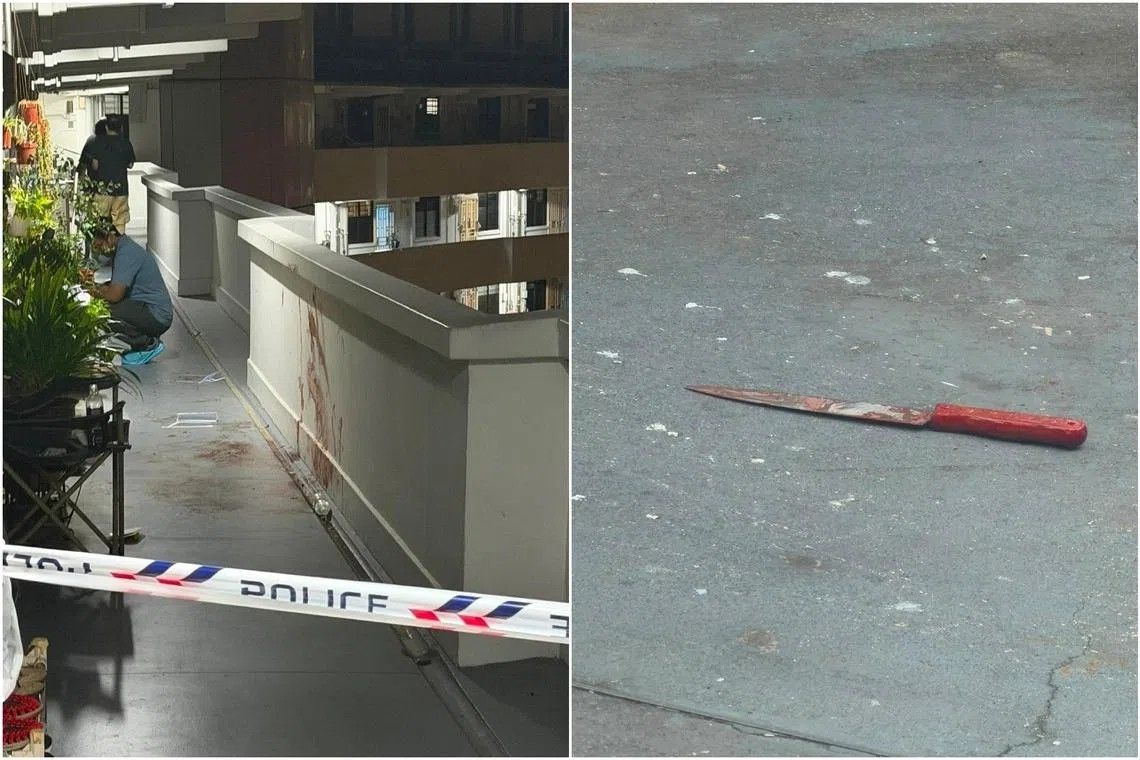
A murder charge has been laid against a man following what appears to be a violent altercation within a residential block near Redhill Road in Singapore. Ng Swee Seng, aged 59, faced the formal accusation on July 22 through a video appearance before a district court, accused of causing the death of his neighbour Thiyagarajan Karunakaran, who was also 59 years old. The incident occurred within the confines of Block 55 Lengkok Bahru on the afternoon of July 20, marking another instance of domestic violence erupting within Singapore's public housing estates.
Authorities received multiple emergency calls at approximately 4.50pm on the day in question, directing officers to the residential block where the alleged crime had taken place. Upon arrival, police discovered Thiyagarajan lying unresponsive near the lift lobby on the sixteenth floor of the building. The victim was rapidly transported to the National University Hospital for medical treatment, but despite efforts by medical staff, he succumbed to his injuries within hours of his admission.
Visual evidence of the violence was apparent when journalists from The Straits Times inspected the scene the following day. Blood stains and a bloodied footprint were visible in the sixteenth-floor corridor, suggesting a struggle had ensued before the fatal outcome. These physical traces provided stark testimony to the intensity of what investigators believe occurred during the confrontation between the two residents.
According to building residents interviewed by reporters, the two men had been living several units apart from each other on the same floor, placing them in relatively close proximity within the shared residential environment. One long-term occupant who had resided in the block for approximately four years confirmed this residential arrangement, providing insight into how neighbours in high-density housing can sometimes become acquainted despite the physical separation of their units.
The case underscores the recurring issue of violent incidents within Singapore's public housing estates, where millions of residents live in close quarters. While the majority of such communities remain safe and harmonious, periodic outbreaks of neighbour-related violence highlight underlying tensions that can develop when individuals with conflicting personalities or unresolved disputes share residential space. The Lengkok Bahru incident appears to fall into this category of personal conflict escalating to tragic proportions.
Public housing blocks in Singapore, particularly those constructed during the earlier phases of the Housing and Development Board's expansion, have become focal points for both community development and occasional criminal activity. Block 55 Lengkok Bahru, situated in the established Redhill area, serves as home to thousands of families and individuals navigating urban living. For the residents of this particular building, the incident will likely serve as a sobering reminder of how quickly situations between neighbours can deteriorate.
The formal charges against Ng Swee Seng represent the beginning of Singapore's legal process in addressing what investigators allege was a premeditated or at minimum intentional act resulting in death. The murder charge carries severe penalties under Singapore law, reflecting the gravity with which the jurisdiction treats such offences. The case will proceed through the court system with the prosecution required to establish motive, means, and opportunity beyond reasonable doubt.
Neighbour disputes in high-density residential environments often stem from issues ranging from noise complaints and parking disagreements to more serious personality clashes. Whether the altercation at Block 55 Lengkok Bahru originated from a long-standing grievance or an unexpected trigger remains part of the ongoing investigation. Understanding the precipitating factors may emerge during trial proceedings, where both the prosecution and defence will present their respective accounts of events leading to the fatal encounter.
For Malaysian observers of Singapore's justice system, this case exemplifies how neighbouring jurisdictions handle serious criminal matters with swift investigation and prompt legal proceedings. The rapid appearance of the accused before the courts demonstrates the efficiency of Singapore's law enforcement and judicial apparatus. Meanwhile, for residents across the region living in similar public housing configurations, the incident serves as a stark illustration of the importance of conflict resolution and community mediation before personal disputes escalate into violence.

