President Donald Trump has announced a temporary freeze on maritime tolls transiting the Strait of Hormuz during a current 60-day ceasefire period, while simultaneously signalling that Washington may establish its own fee structure once that window closes. The declaration, made via Trump's Truth Social platform on Saturday, reflects the administration's assertive posture toward one of the world's most critical energy corridors and underscores shifting American strategy in the Middle East under the new administration.
The specifics of Trump's ultimatum reveal a transactional framing of US military presence in the Persian Gulf region. According to the statement, after the initial 60-day window expires, the United States may begin collecting charges for what Trump characterised as "services rendered as the guardian angel" to West Asian nations. These proposed tolls would ostensibly compensate America for the costs of maintaining regional security and stability, both historical and prospective, should negotiations fail to produce a permanent settlement. This language suggests Washington views its naval deployment and security guarantees as services warranting financial recompense rather than commitments grounded in traditional alliance structures.
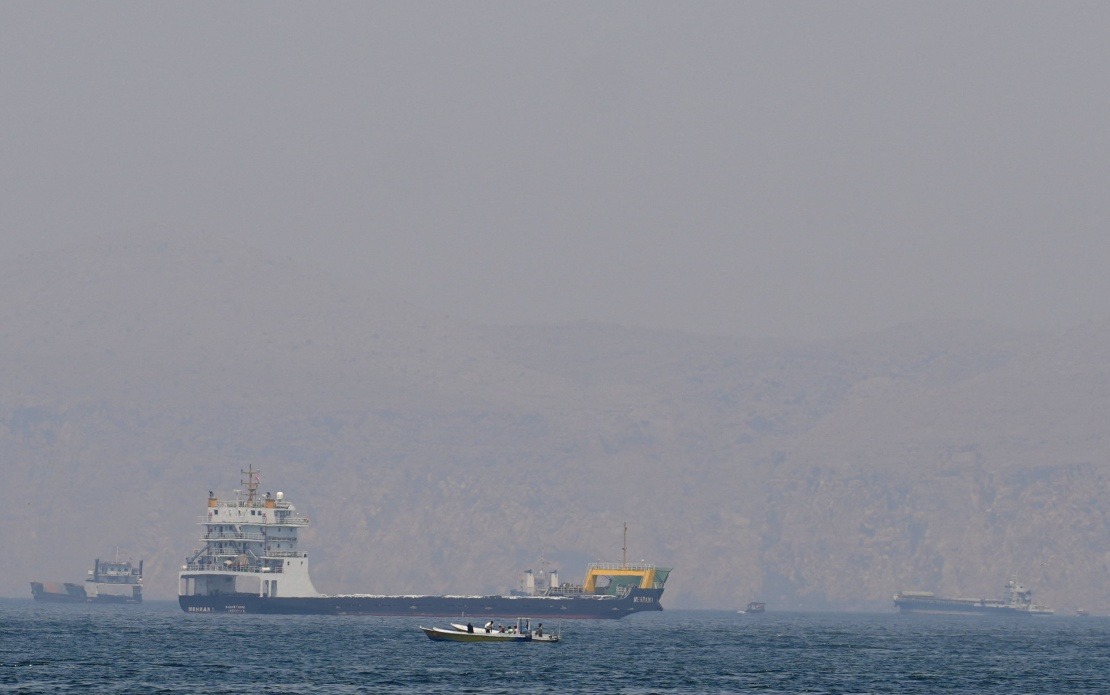
The announcement follows heightened tensions prompted by Iran's Khatam al-Anbiya Central Headquarters, which threatened to close the Strait of Hormuz, citing alleged American violations of ceasefire commitments and Israeli breaches related to Lebanon. The Iranian statement reflects deep mistrust between Tehran and Washington regarding compliance with regional agreements, a dynamic that has characterised their relationship for decades. The threat to close the waterway, through which roughly one-third of global seaborne oil trade passes, carries enormous significance for energy markets and global supply chains far beyond the immediate region.
US Central Command mounted a swift rebuttal to Iran's closure announcement, with CENTCOM spokesperson Captain Tim Hawkins asserting to news outlet Axios that American forces remain "present and vigilant" throughout the waterway. CENTCOM emphasised that all aspects of the current agreement are being rigorously enforced, a statement clearly designed to reassure international observers and markets that maritime transit continues unimpeded. The command's assertion that Iran does not control the Strait of Hormuz, while technically accurate given the international legal status of the waterway, signals American resolve to maintain freedom of navigation and prevent Tehran from exercising coercive leverage through territorial claims.
For Malaysia and other Southeast Asian economies, the implications of this standoff carry considerable weight. The region relies heavily on Persian Gulf energy imports, with approximately 40 percent of global liquefied natural gas production flowing through regional terminals. Any disruption to Strait of Hormuz traffic would likely trigger immediate repercussions across Asian energy markets, potentially raising import costs and destabilising regional economies that depend on stable energy supplies. Malaysian buyers of crude oil and LNG would face heightened price volatility and supply uncertainty should the 60-day ceasefire deteriorate or American toll policies disrupt normal commercial flows.
The Trump administration's framing of security commitments as billable services represents a significant departure from post-World War II American foreign policy doctrine, which typically subsumed alliance costs within broader strategic calculations. This transactional approach has implications beyond the Persian Gulf. It signals that Washington may increasingly expect financial contributions from regional allies and trading partners in exchange for security guarantees and access to critical waterways. For countries throughout Asia-Pacific that benefit from American naval presence and freedom of navigation assurances, this represents a potential recalibration of the implicit bargain underlying regional stability.
The 60-day ceasefire window itself remains poorly defined in publicly available information, raising questions about whether all relevant parties, including Iran, view the arrangement identically. The gap between American and Iranian interpretations has historically created dangerous miscalculations in the Persian Gulf. Should either side interpret compliance differently, the situation could deteriorate rapidly once the temporary moratorium expires. Markets are already pricing in elevated risk premiums for oil and shipping through the region, reflecting investor concerns about the fragility of current arrangements.
Trump's statement contains an implicit bargaining position aimed at forcing negotiated resolution before the 60-day period concludes. By establishing a clear threat of American toll collection thereafter, the administration appears to be creating pressure on regional actors to reach a comprehensive settlement. However, this approach assumes that threatened financial consequences will prove more persuasive than demonstrated military capability or strategic necessity, a proposition that remains unproven in negotiations with adversaries possessing their own strategic imperatives and domestic political constraints.
The broader context includes longstanding American strategic interests in maintaining Gulf stability and preventing any single power from dominating regional energy infrastructure. The introduction of toll mechanisms, even American-imposed ones, introduces novel complexity into this traditional strategic equation. It suggests the Trump administration may be attempting to operationalise new revenue streams alongside traditional security objectives, bundling together strategic competition and commercial extraction in ways that could reshape regional relationships and economic calculations.