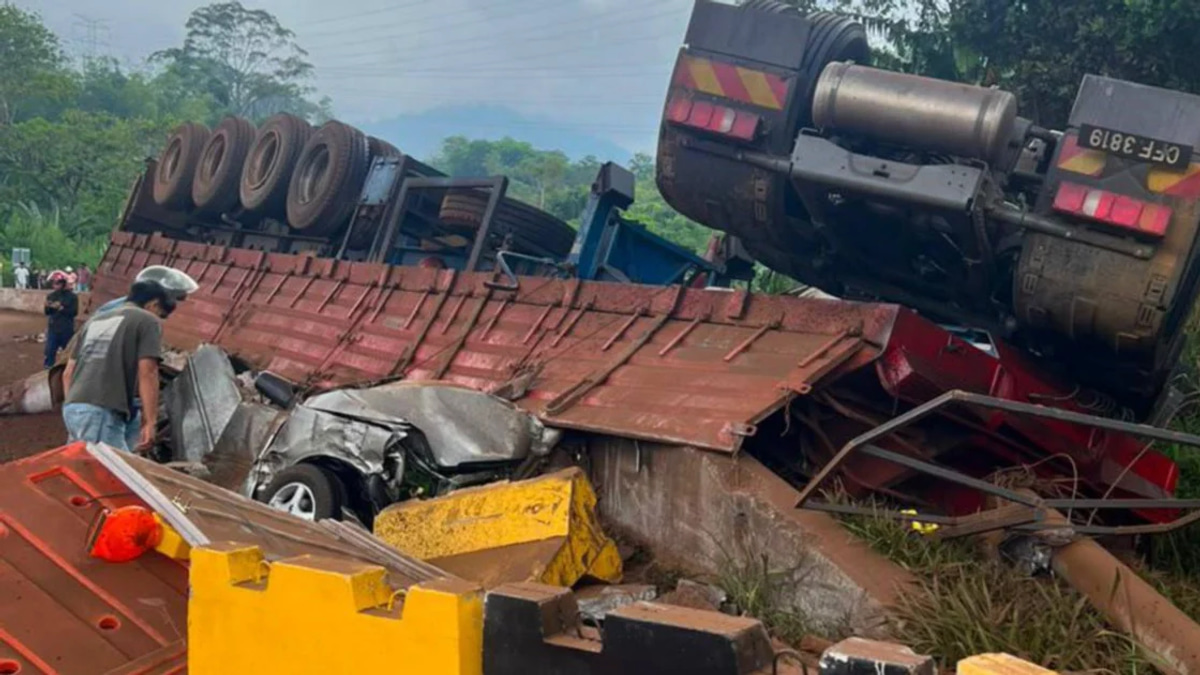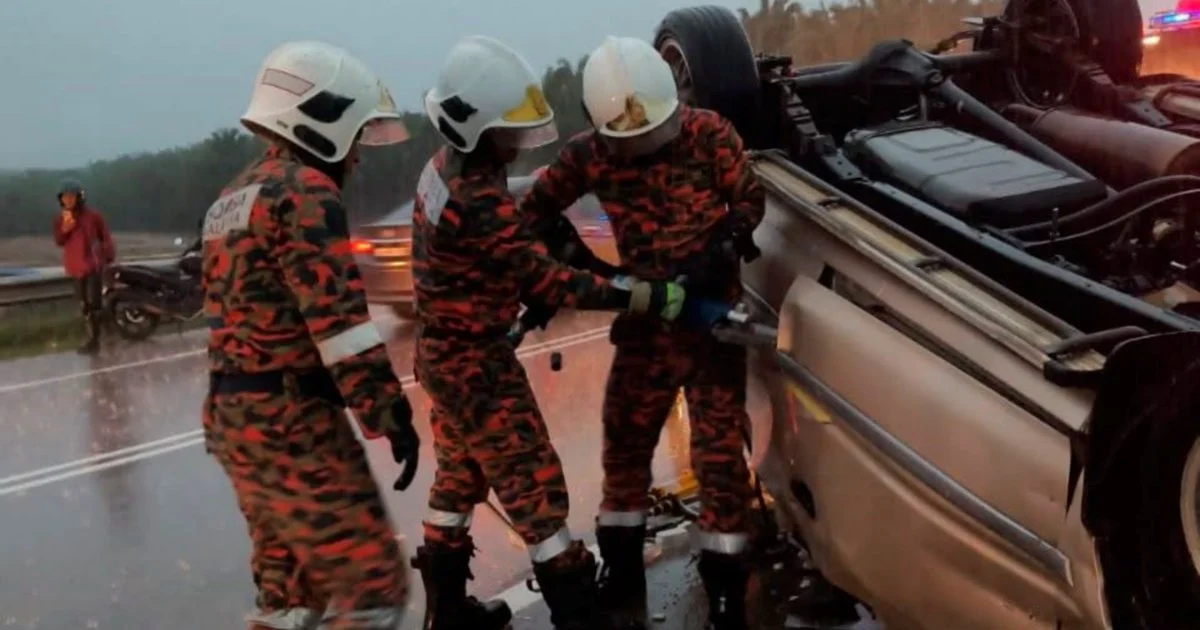
Pahang was struck by a devastating road safety crisis on Thursday when two unrelated crashes within a narrow timeframe claimed four lives, among them two sisters. The tragedies unfolded in quick succession across the Maran and Pekan districts, raising urgent questions about road conditions and driver vigilance during the incident period.
The Maran crash involved the two sisters, whose deaths highlighted the arbitrary and indiscriminate nature of road fatalities. Details surrounding their vehicle and the exact circumstances of their collision remain part of an ongoing preliminary investigation, though the speed of development across the two scenes underscores how rapidly situations can deteriorate on Malaysian highways. Authorities moved quickly to secure both incident scenes and initiate witness testimony collection.
The second fatal collision in Pekan claimed two additional lives, creating a compounded crisis for emergency responders who faced the dual challenge of managing two major accident scenes across considerable distance. Fire and rescue personnel, ambulance crews, and traffic police coordinated responses that stretched resources across the district. The proximity of these incidents—occurring within less than 60 minutes—suggested potential common factors, though investigators cautioned against premature conclusions.
Road safety advocates have long warned that Pahang's arterial routes, which serve both local commuters and through-traffic heading toward the east coast, experience periodic concentration of accidents during specific times. The Maran-Pekan corridor, in particular, has figured in official road safety statistics as a concern zone. Factors such as visibility challenges, intersection design, and driver fatigue during mid-week periods have been highlighted in previous transport ministry briefings.
These fatalities add to Malaysia's concerning road accident toll, which consistently ranks among the region's highest relative to vehicle ownership. The Department of Road Safety has periodically emphasised that human factors—including speed, inattention, and failure to maintain safe distances—account for the majority of fatal collisions. Vehicle condition and maintenance also feature prominently in accident causation analysis, though roads themselves occasionally present inherent hazards that compound driver error.
For residents and regular commuters across Pahang, the incidents serve as stark reminders of the fragility of highway safety. The loss of two sisters in a single accident carries particular emotional weight for affected families and communities, while the concurrent Pekan incident underscores how tragedy can cluster unpredictably. Local media coverage brought immediate public attention to both scenes, prompting renewed discussion about journey planning and defensive driving practices.
The police traffic investigation teams have begun preliminary forensic work at both locations, collecting evidence that will inform their understanding of speed, vehicle trajectories, and pre-collision dynamics. Witness statements from other road users present at either scene will prove crucial to reconstructing events. The investigating officers will also review whether weather conditions, road surface irregularities, or visibility factors contributed to either accident's occurrence.
Malaysia's transport authorities have previously highlighted that afternoon and early evening periods often coincide with elevated accident frequencies, particularly on inter-state routes. The timing of Thursday's incidents falls within a pattern commonly associated with fatigue accumulation and increased traffic volumes. Route maintenance schedules and enforcement deployments have become subjects of ongoing policy discussion within the road safety community.
For Malaysian motorists and families, incidents of this scale prompt reflection on journey preparation and vehicle safety checks before embarking on longer drives. Professional driver organisations have consistently advocated for regular breaks during extended highway use, particularly on routes like those connecting Maran and Pekan. Insurance industry data indicates that properly maintained vehicles with alert, rested drivers experience substantially lower accident rates.
The Pahang tragedy occurred against a backdrop of broader national road safety initiatives. The government has invested in various interventions including expanded highway maintenance programs, improved signage, and periodic enforcement campaigns targeting speeding and seatbelt compliance. However, transport experts note that achieving significant mortality reductions requires sustained, multi-year commitment across engineering, enforcement, and education domains.
Authorities have appealed for anyone with information about either incident to come forward, while urging all road users to exercise heightened caution on the Maran-Pekan corridor and surrounding routes. Traffic diversions were implemented at both accident sites to facilitate emergency response operations and prevent secondary collisions. The incident has been registered with relevant district police offices for formal investigation and documentation.
As investigations proceed into the precise causes of both collisions, the immediate impact on affected families and the broader Pahang community remains profound. The clustering of fatal accidents within such a compressed timeframe underscores the unpredictable nature of road safety challenges and the importance of continuous vigilance. Authorities have indicated that preliminary findings from both investigations will be released upon completion of initial forensic and witness collection processes.