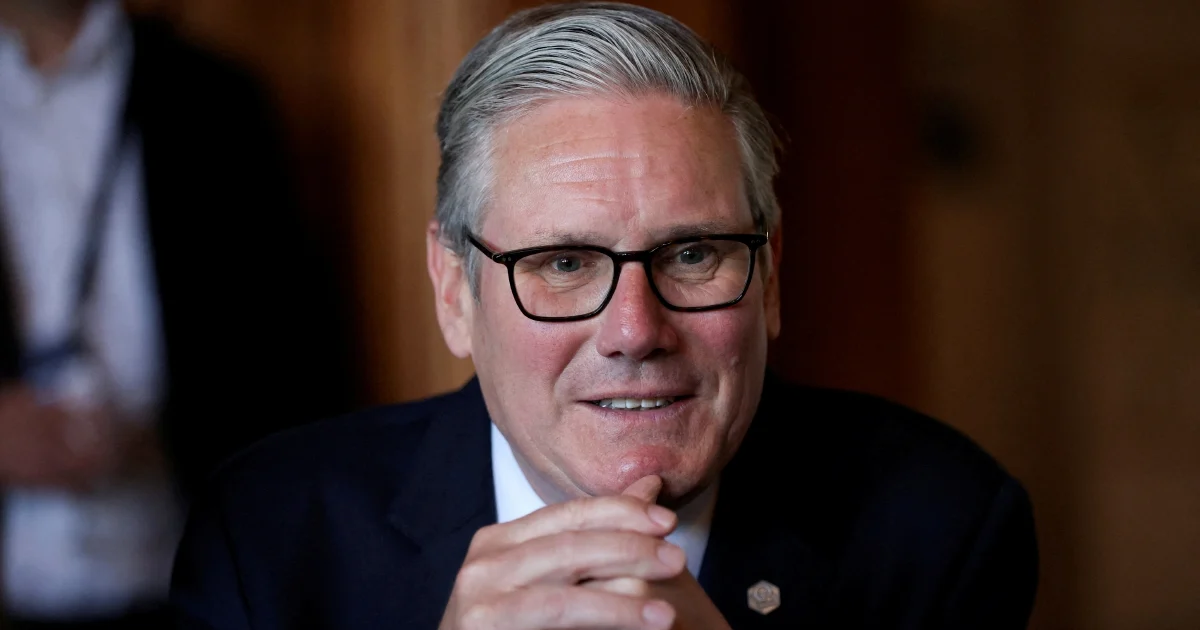
Speculation surrounding the future of British Prime Minister Keir Starmer intensified this week when The Observer, a prominent Sunday newspaper, reported that the Labour leader was preparing to step down from his position. According to the publication, Starmer was expected to make an announcement on Monday detailing not only his resignation but also a structured timeline for his departure from office. The report sent shockwaves through Westminster and global financial markets, raising questions about the stability of the British government during a period of significant economic and social challenges.
However, in a swift rebuttal, Downing Street moved to extinguish the speculation with representatives of the Prime Minister dismissing the claims entirely. A government source emphasised that Starmer remained firmly committed to his responsibilities and was actively engaged in the work of governing the nation. The contradictory narratives highlighted the intense scrutiny facing the British premiership and the media's role in shaping public perception during moments of political uncertainty.
The timing of such reports is particularly significant given the broader context of Labour's tenure in power. Since taking office following the 2024 general election, the government has navigated multiple domestic crises, including economic pressures, public sector strikes, and contentious policy decisions that have tested both party unity and public confidence. These challenges have created an environment ripe for speculation about the sustainability of any political leadership, making dramatic headlines about potential resignations particularly impactful.
For Malaysian and Southeast Asian observers, the situation underscores how political instability in major Western economies can reverberate globally. Britain's economic performance, trade relationships, and political stability directly influence regional dynamics. A change in British leadership could potentially alter foreign policy priorities, trade negotiations, and diplomatic relationships that affect countries throughout Asia-Pacific, including Malaysia's own bilateral engagements with the United Kingdom.
The nature of modern political journalism has transformed the relationship between leadership and scrutiny. The rapid circulation of claims through both traditional media and social platforms means that unverified reports can quickly shape political narratives and influence market behaviour, investor confidence, and public opinion. The gap between The Observer's reporting and the government's denial illustrates how different interpretations of political signals can emerge, often reflecting the complex relationships between political insiders, journalists, and media organisations.
Starmer's position within the Labour Party also bears examination. Since becoming party leader, he has worked to reshape Labour's public image and rebuild trust with voters after the party's 2019 electoral defeat. Maintaining cohesion within his party while simultaneously managing public expectations and delivering on campaign promises represents a considerable balancing act. Any appearance of instability or doubt could potentially undermine the credibility he has sought to establish.
The economic implications of such political uncertainty cannot be overlooked. British financial markets, currency valuations, and investment flows are sensitive to perceptions of political stability. Reports of potential resignations, even if ultimately denied, can create temporary volatility as investors reassess their confidence in government continuity and policy direction. For regional economies with significant trading relationships with Britain, such developments warrant careful monitoring.
From a media literacy perspective, this episode demonstrates the importance of distinguishing between reporting, speculation, and official statements. The Observer's claim required substantiation through multiple independent sources and verification of the timing and circumstances described. The government's denial, while swift and comprehensive, also merited scrutiny regarding the basis for such confidence in the Prime Minister's future plans. Understanding how different actors in the political ecosystem make claims and defend positions remains essential for citizens and policymakers seeking accurate information.
The broader trajectory of Starmer's premiership will likely depend on his government's ability to deliver tangible results on the economic and social priorities that influenced voters during the election campaign. Managing inflation, improving public services, and maintaining public confidence while implementing difficult decisions all contribute to the sustainability of any government's mandate. The media's role in amplifying or contextualising challenges facing leadership cannot be separated from the actual conditions on the ground.
As the situation develops, observers in Southeast Asia should recognise that leadership changes in major economies inevitably create periods of recalibration in international relationships. Whether Starmer ultimately remains in office or transitions power, the process will likely involve internal party dynamics, public sentiment, economic conditions, and strategic decision-making that collectively determine the viability of any political leadership. The contrast between speculation and official denial captured in this moment reflects the uncertainty inherent in modern governance and the intense scrutiny facing contemporary political leaders.