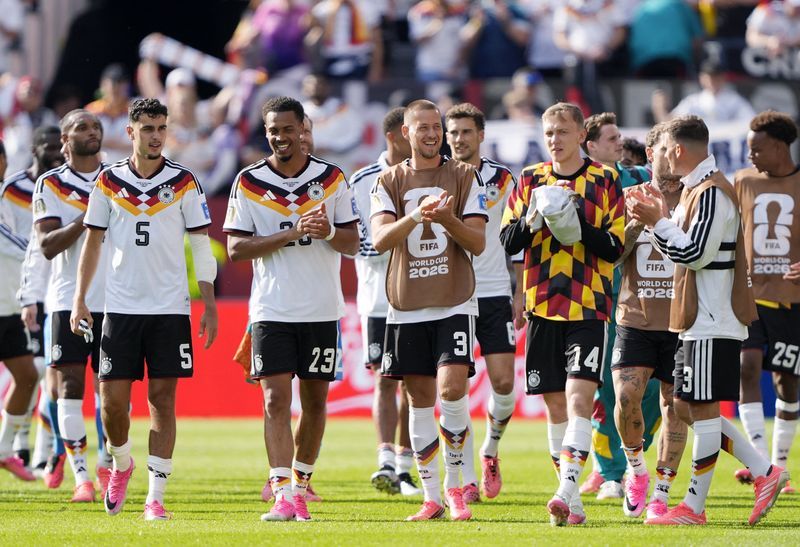
Deniz Undav demonstrated clinical finishing in the second half as Germany mounted an impressive comeback to defeat Ivory Coast 2-1 on Saturday, claiming a crucial knockout stage berth. Playing as a substitute, the striker netted twice to overturn an opening-half deficit and propel the Europeans into the last 32 for the first time since capturing the World Cup title in 2014. The victory in Toronto maintained Germany's perfect record in Group E with six points from two matches, positioning them at the summit of the standings.
Ivory Coast's opening goal came through Franck Kessie, who capitalized on a rebound after Amad Diallo's shot following a sweeping move down the left flank initiated by Yan Diomande. The goal represented another successful outing for the West African nation's attacking play, extending their recent sequence of scoring in consecutive tournament matches. Ivory Coast's seven-match goalscoring run stands as the longest such streak in their World Cup history, underscoring their improved attacking potency at the tournament.
Germany's first-half frustration stemmed from two disallowed goals that might have altered the match's complexion. Aleksandar Pavlovic appeared to have opened the scoring from a short corner routine in the 25th minute, only for the referee to judge that the midfielder had committed a foul on goalkeeper Yahia Fofana during the header. The contentious decision visibly frustrated both player and spectators, with the substantial German diaspora in Toronto—numbering over 100,000 residents—expressing their disapproval. Later, Jamal Musiala's effort was chalked off for an infringement committed during the buildup, leaving manager Julian Nagelsmann's side without reward despite directing eight attempts on goal during the opening 45 minutes.
The Germans' patient, intricate possession-based approach contrasted sharply with Ivory Coast's more dynamic, direct brand of attacking football, creating an entertaining encounter that provided spectators with contrasting tactical philosophies. Despite their territorial dominance and significant shot count, Germany appeared heading toward halftime as the underperforming side, their possession-based strategy failing to translate into the clinical finishing typically associated with European football's elite teams.
Undav's introduction from the bench proved transformative, as he levelled the contest with a controlled volley in the 68th minute. The striker subsequently collected a pass on the turn, executed a deft pivot, and despatched a low drive past Fofana that left the goalkeeper helpless. Undav's brace extended an extraordinary personal run of form, bringing his goal tally to nine across his previous eight competitive appearances. His sharp movement and composure under pressure represented precisely the kind of impact substitution that differentiates tournament contenders from early eliminations.
Ivory Coast mounted a final offensive thrust when Simon Adingra engineered a late opportunity in Germany's box, though his hesitation prevented him from delivering a decisive shot. Germany exploited the subsequent turnover of possession to surge forward, with substitute Nathaniel Brown forcing another save from Fofana, highlighting the increasing momentum shift toward the Europeans as fatigue visibly affected the West African defence.
With two matches completed, Germany's qualification to the knockout stage provides breathing room before their Group E finale against Ecuador on Thursday in New Jersey. The outcome guarantees them passage regardless of subsequent results, allowing Nagelsmann scope to manage his squad's physical condition and potentially rotate personnel. Ivory Coast's three-point tally from two games leaves them in a precarious position; whilst mathematically capable of advancing, they face an uphill challenge against Curacao in Philadelphia and will depend on outcomes elsewhere in the group.
The victory represents a significant psychological boost for Germany, who recovered from a genuinely frustrating first half to demonstrate the resilience and tactical flexibility required at tournament level. Their ability to absorb disappointment from the referee's controversial decisions and maintain composure speaks to their experience, while Undav's clinical execution vindicated Nagelsmann's decision to inject fresh attacking options. For Ivory Coast, despite the defeat, their spirited performance and continued attacking output suggests they remain capable of testing opponents, particularly if their finishing improves in upcoming matches.
Germany's progression also carries implications for the broader tournament dynamics in North America, where the defending champions have emphatically reintroduced themselves as serious contenders following their shock exit at the group stage in 2022. Their advancing to the knockout round ensures that European football's traditional powerhouses maintain competitive presence throughout the tournament, potentially reshaping the overall narrative around this edition.