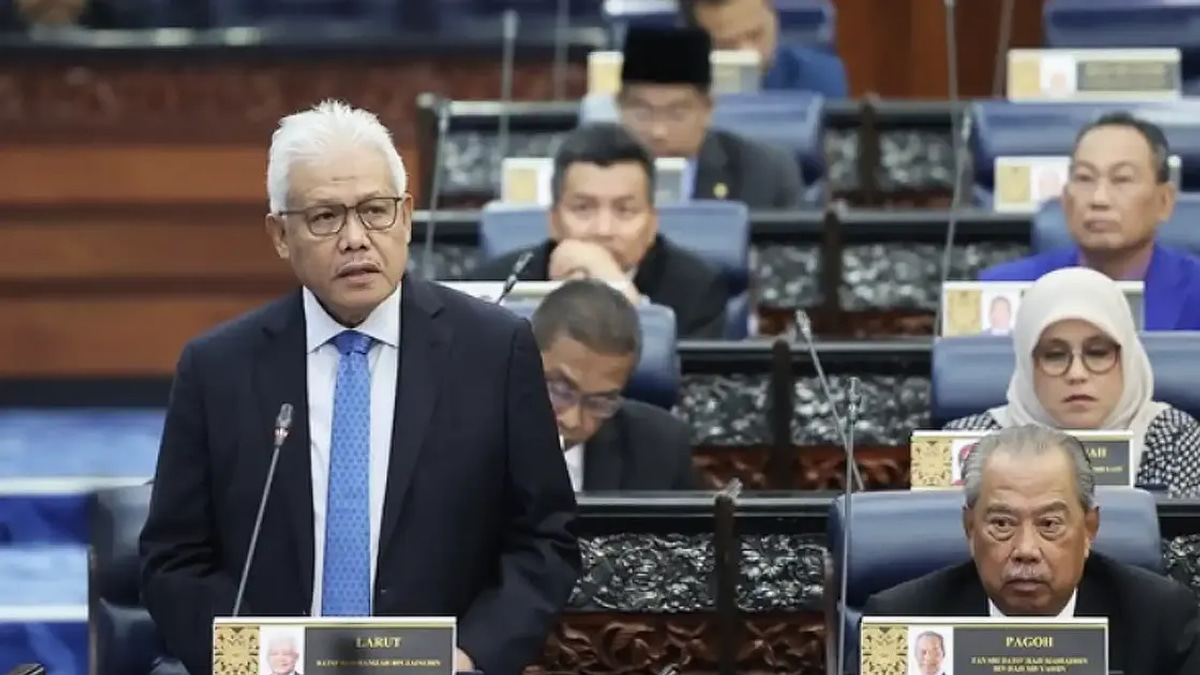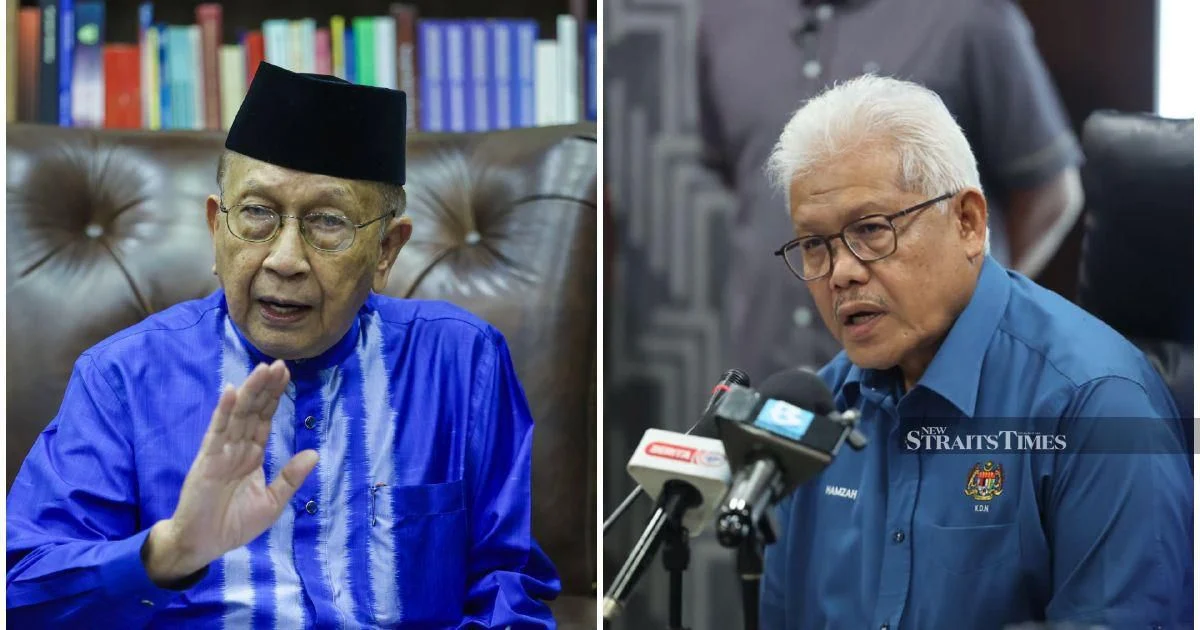
Parti Wawasan Negara (Wawasan) has formally unveiled the composition of its central leadership, appointing seasoned political veterans to guide the party as it positions itself within Malaysia's increasingly competitive political landscape. The announcement signals the party's attempt to establish credibility by drawing on the experience of individuals with substantial government backgrounds, reflecting a strategy to differentiate itself through accumulated institutional knowledge and established political networks.
The leadership structure places prominent figures at the helm, combining long-serving politicians with professionals from various sectors. This composition suggests Wawasan is pursuing a model that blends traditional political expertise with modern governance perspectives, potentially appealing to voters seeking alternatives to established coalitions. The inclusion of former ministers alongside sitting parliamentary representatives creates a hierarchical framework that spans both historical and contemporary political experience.
The appointment of such figures carries particular significance within Malaysia's current political context, where coalition stability remains fragile and voters increasingly seek new political options. Wawasan's emergence as a distinct entity reflects broader dissatisfaction within certain segments of the electorate, and the party's leadership appointments represent an effort to channel this discontent into a viable political alternative. The selection of individuals with ministerial experience particularly underscores the party's ambition to present itself as government-ready.
The inclusion of sitting members of parliament within the leadership hierarchy provides Wawasan with immediate parliamentary representation and grassroots organisational capacity. These MPs bring intimate knowledge of constituency dynamics and legislative processes, assets that are invaluable for any emerging political force attempting to consolidate support. Their participation also lends the leadership structure a degree of legitimacy rooted in electoral mandate.
Beyond political figures, Wawasan's inclusion of professionals from various disciplines introduces sectoral expertise into party governance. This cross-disciplinary approach reflects evolving expectations among voters regarding political leadership, where technical competence and professional achievement increasingly complement traditional political credentials. The presence of non-partisan professionals may help Wawasan appeal to middle-class voters concerned with policy substance and administrative efficiency.
The timing of this leadership announcement occurs within a broader context of Malaysian political reconfiguration. The past several years have witnessed significant shifts in coalition alignments, with Pakatan Harapan, Barisan Nasional, and Perikatan Nasional competing for dominance while smaller parties jostle for relevance. Within this environment, Wawasan's formation and leadership clarification represent an attempt to capture political space by offering a distinct programmatic alternative.
For Malaysian voters, the emergence of clearly defined alternative political leadership structures warrants careful scrutiny. While new political formations can inject competitive dynamism and offer voters genuine choices, they simultaneously risk fragmenting political support in ways that could entrench instability or enable unwanted outcomes through vote-splitting. The composition of Wawasan's leadership provides one lens through which to evaluate whether the party represents substantive political innovation or merely a reconfiguration of existing political personnel.
The professional and parliamentary elements within Wawasan's leadership team address a persistent criticism of Malaysian politics: the perception that government and party leadership remain disconnected from economic realities facing ordinary citizens. By incorporating professionals alongside politicians, Wawasan signals responsiveness to demands for evidence-based policymaking and technical competence. Whether this structural choice translates into meaningful policy differentiation remains to be observed.
Regionally, Wawasan's emergence and leadership composition reflect patterns visible throughout Southeast Asia, where established political coalitions face mounting pressure from newer formations claiming to represent neglected constituencies or superior governance approaches. The party's recruitment of experienced personnel from established structures suggests a strategy of capturing disaffected elements from existing coalitions rather than mobilising entirely new voter cohorts.
The party's ability to translate its leadership composition into electoral and legislative success depends critically on its capacity to develop coherent policy platforms that distinguish it from competitors. Leadership team experience and credentials provide necessary but insufficient conditions for political viability. Wawasan must demonstrate that its assembled expertise translates into governance philosophies that address specific grievances motivating voters to consider alternatives.
Looking forward, the stability and effectiveness of Wawasan's central leadership will substantially influence the party's trajectory. Leadership teams combining veteran politicians with newer professionals can either synthesise diverse perspectives into coherent strategies or fracture along generational and ideological lines. The party's internal cohesion, particularly regarding fundamental governance questions and coalition positioning, will determine whether Wawasan establishes itself as a meaningful alternative or gradually loses momentum.
For Malaysian politics broadly, Wawasan's leadership structure and ambitions represent a reminder that political coalitions remain fundamentally unstable. The willingness of established figures to depart existing structures and establish new party formations reflects deeper dissatisfactions within the political system. Whether Wawasan ultimately strengthens Malaysian democracy by offering genuine policy alternatives or simply recycles existing personnel through different organisational vehicles will become clearer as the party articulates positions on key national issues and competes in future electoral contests.