Jalan Burma has emerged as one of George Town's most compelling destinations for visitors seeking to experience Penang beyond the well-trodden heritage zone, seamlessly weaving together colonial-era architecture, street-level gastronomy and Southeast Asian cultural history. Stretching nearly five kilometres from the edges of the UNESCO Historic Site all the way into the upscale neighbourhood of Pulau Tikus, this arterial road represents the layered complexity of how George Town has evolved—a place where historical significance coexists with contemporary recognition on the international dining stage.
For those navigating George Town for the first time, the heritage precinct centred on Beach Street, Armenian Street and Lebuh Chulia offers an obvious starting point. The area bristles with restored shophouses, souvenir retailers and vintage dealers, drawing the vast majority of casual tourists. Yet Jalan Burma extends the conversation beyond this compact zone, particularly for travellers willing to venture further afield. The road itself presents an inviting walk, generally well-served by pedestrian infrastructure save for one or two sections, making it accessible even during Penang's intense midday heat.
The contemporary heart of Jalan Burma's appeal lies in its concentration of Michelin-recognised establishments. Penang boasts 74 such venues across George Town and beyond, a significant proportion of which cluster along or near this arterial. These range from Michelin-starred fine dining down through the Bib Gourmand list—a distinction that has reshaped how both locals and visitors approach food discovery in the city. The inclusion of 33 Bib Gourmand venues and 39 Michelin Selected spots creates a culinary landscape that validates street-level and coffeeshop eating as worthy of serious attention, rather than relegating such venues to the category of casual snacking.
The physical landscape along Jalan Burma reflects these multiple layers of significance. Duck Blood Curry Mee, a Michelin-recognised stall operating from a modest shopfront, sits metres from Restoran Old Green House, home to the Bib Gourmand-listed Green House Prawn Mee & Loh Mee. What might appear to the unfamiliar eye as simple hawker stalls operate with the kind of reputation and loyal following typically reserved for established restaurants elsewhere. These establishments have cultivated devoted customer bases over years of consistent preparation, attracting both locals and destination diners in equal measure. The existence of similarly-named branches elsewhere in George Town speaks to the success of these original venues, though locals consistently direct newcomers to the original locations on Jalan Burma itself.
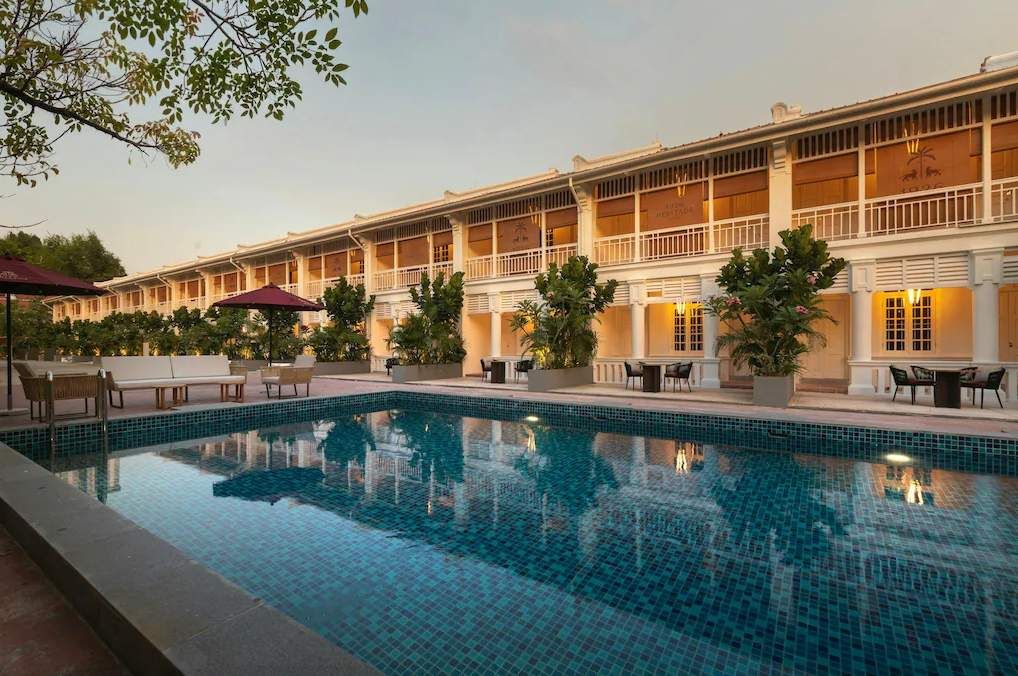
The road's contemporary accommodation offerings anchor the broader appeal. The newly renovated heritage hotel built in 1926 represents a significant transformation of colonial-era architecture into a modern hospitality establishment. Originally constructed as residential quarters for British and local government officials, the building embodied the Anglo-Malay architectural conventions prevalent in early twentieth-century George Town. The conversion of 24 interconnected link houses into 78 guest rooms and suites across six categories demonstrates how heritage conservation intersects with contemporary tourism infrastructure. The Heritage Room and Straits Suite represent different approaches to occupying these historical spaces, catering to varying traveller preferences while maintaining the integrity of the original structures.
Jalan Burma's historical nomenclature reveals layers of Penang's multicultural past. Originally known in English as Burmah Road, the thoroughfare carried multiple names reflecting the communities it served. Jalan Tarek Ayer—literally Water Cart Road—referenced its original function transporting water via bullock cart during the colonial period. The Hokkien designation Gui Chia Chui and Cantonese equivalents similarly described practical functions before the street's identity shifted. The renaming to Jalan Burma followed the nineteenth-century establishment of a Burmese settlement in adjacent Pulau Tikus, a community presence that endures architecturally and culturally today.
The Burmese cultural footprint remains visible throughout the Jalan Burma precinct and its vicinity. The Dhammikarama Burmese Temple, established roughly two centuries ago, anchors this heritage. Secondary road names—Rangoon Road, Mandalay Road and Moulmein Close—perpetuate Burmese geographical references that would resonate with the original settlers who established their community here. This naming convention represents a unusual form of cultural memorialisation within George Town's streetscape, preserving not just the built environment but the nomenclatural history of place. The temple itself functions as both spiritual centre and cultural institution, drawing both devotees and culturally curious visitors.
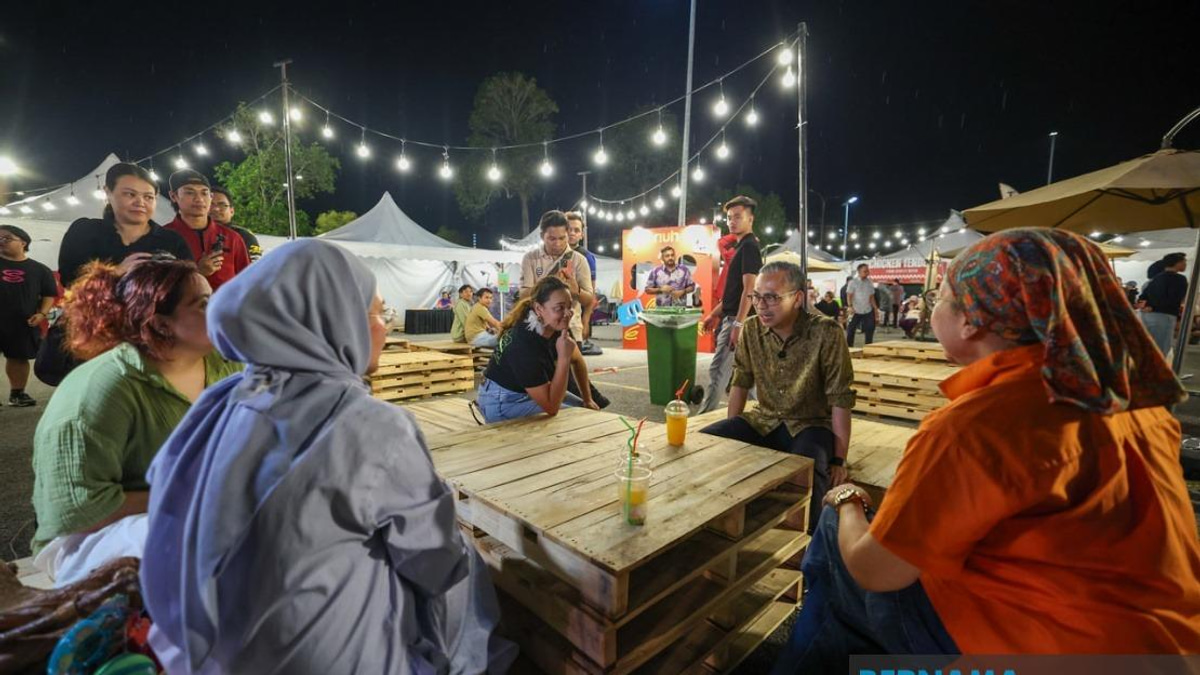
For Malaysian travellers and regional visitors, Jalan Burma's accessibility and scale offer distinct advantages over the more crowded heritage zone proper. The walk from the hotel precinct towards Lebuh Campbell, Lebuh Kimberley and Beach Street totals approximately four kilometres return, a manageable distance for those seeking moderate exercise without undertaking a major expedition. The psychological shift from dense colonial shophouses to the more spacious feel of Jalan Burma itself provides variety within a single visit. The road's routing towards Pulau Tikus also makes it convenient for those combining food tourism with visits to the emerging weekend marketplace at Hin Bus Depot, where local vendors, live music and curated craft experiences operate on a schedule distinct from the daily heritage zone commerce.
The dining progression along Jalan Burma exemplifies how Penang's food culture has internationalised without abandoning its roots. Street food stalls operating under Michelin recognition represent validation of local culinary traditions rather than their transformation into something foreign. A bowl of duck blood curry noodles or prawn mee prepared in these establishments carries the same fundamental character as variants prepared decades earlier, yet now operates within a framework of international gastronomic legitimacy. This validation has practical implications—it justifies the journey for overseas visitors seeking authentic eating experiences, it attracts destination diners willing to plan itineraries around specific venues, and it provides economic support to established vendors who might otherwise face pressure to relocate or modernise beyond recognition.
The hotel-based dining experience complements street-level exploration. Root House by Gen, the modern Chinese restaurant situated within the heritage hotel, represents a different category of culinary experience while maintaining connection to Penang's broader food culture. The juxtaposition of indulgent restaurant dining with morning hawker stall exploration reflects how contemporary travellers navigate food-famous destinations—mixing immersion in local eating culture with more formally structured dining experiences. The contrast between six dishes consumed over two hours at a sit-down restaurant and a quick bowl of curry noodles at a street stall represents not contradiction but complementarity within Penang's complex food ecosystem.
Jalan Burma ultimately functions as a transition zone within George Town's geography—neither fully within the compressed heritage zone nor entirely peripheral to it. For visitors with time constraints, the street provides a manageable extension beyond the standard tourist itinerary. For those prepared to spend days in the city, it offers a coherent secondary focus after exploring the heritage precinct proper. The combination of historical accommodation, Michelin-recognised eating establishments, accessible pedestrian infrastructure and cultural landmarks makes it a logical next destination once the core heritage experience concludes. The road's own history, legible through signage and naming conventions, adds interpretive depth that shopping and eating alone cannot provide.
The development of Jalan Burma as a tourist destination reflects broader shifts in how Southeast Asian cities market themselves internationally. Rather than preserving heritage as a static museum or allowing it to disappear entirely, Penang has positioned Jalan Burma as a living neighbourhood where history, contemporary hospitality infrastructure and culinary recognition coexist functionally. The road remains fundamentally a working thoroughfare serving residents and daily commerce, yet now accommodates visitor flows seeking specific experiences. This balance—between authentic local function and tourist infrastructure—remains perhaps the most significant aspect of what Jalan Burma offers compared to more heavily curated heritage zones.
Weekend markets like Hin Bus Depot extend the experience further, providing spaces where local artists, vendors and musicians create temporary community gathering points. These venues operate on different schedules and logics than both heritage tourism infrastructure and daily street commerce, adding seasonal variation to the overall experience. Collectively, Jalan Burma and its surrounding precinct represent how a mid-sized Malaysian city might develop tourism offerings that feel economically viable, culturally authentic and genuinely appealing to visitors seeking experiences beyond standard heritage walks.