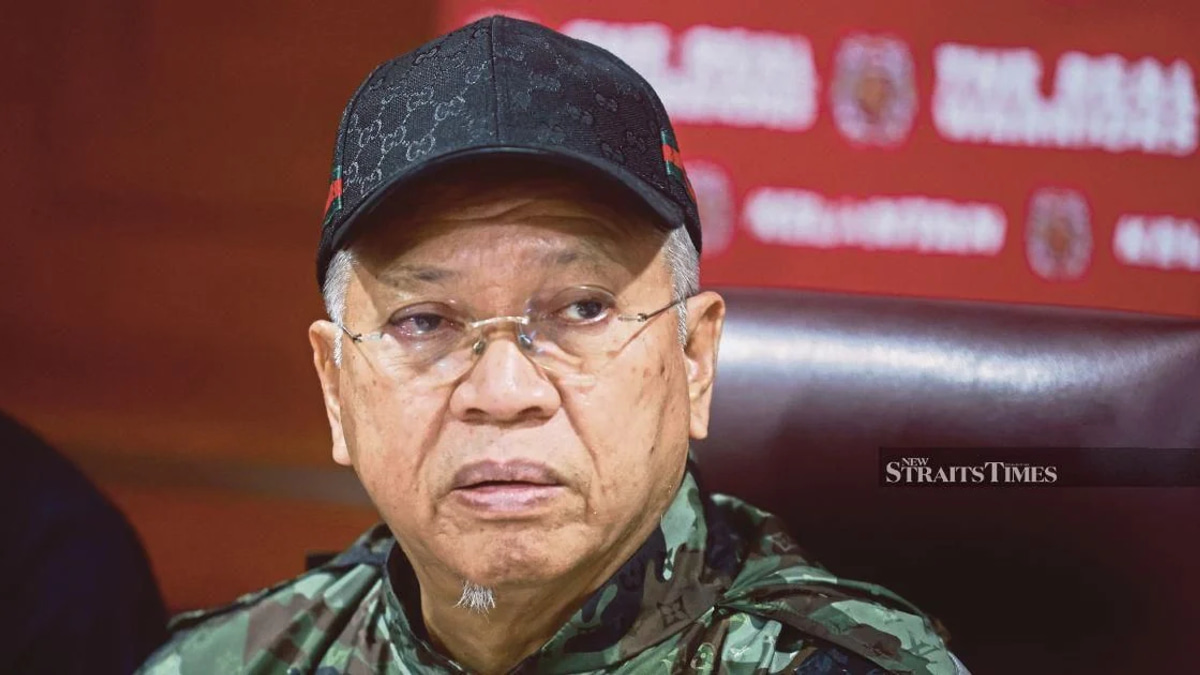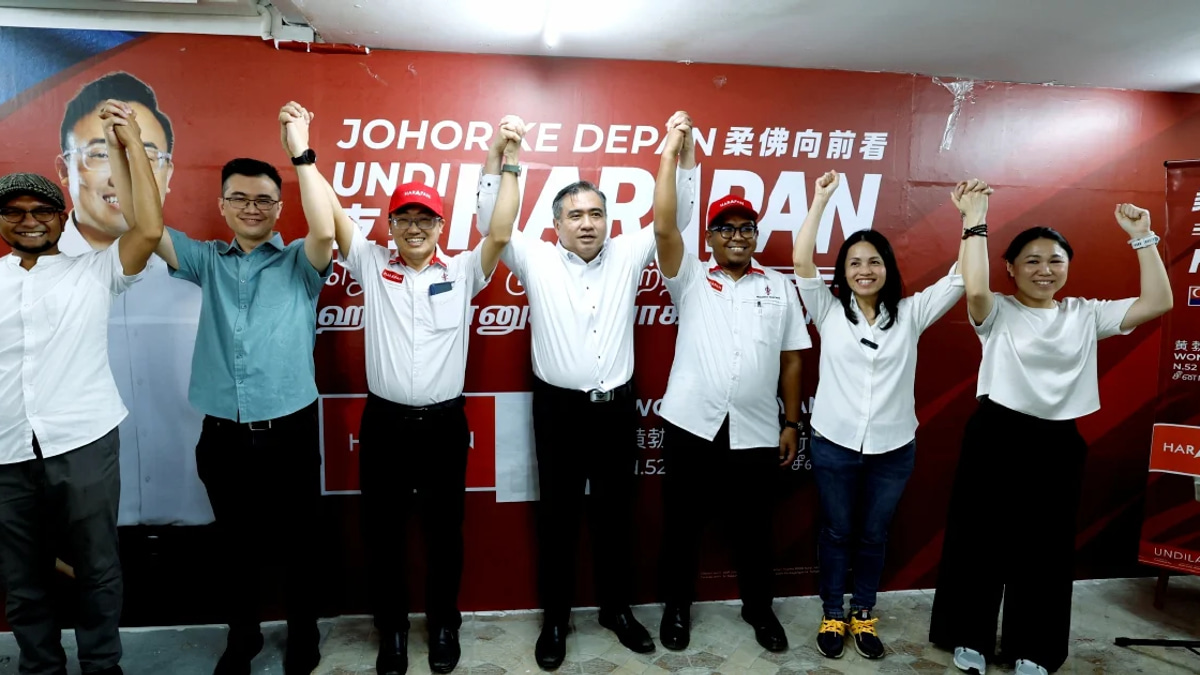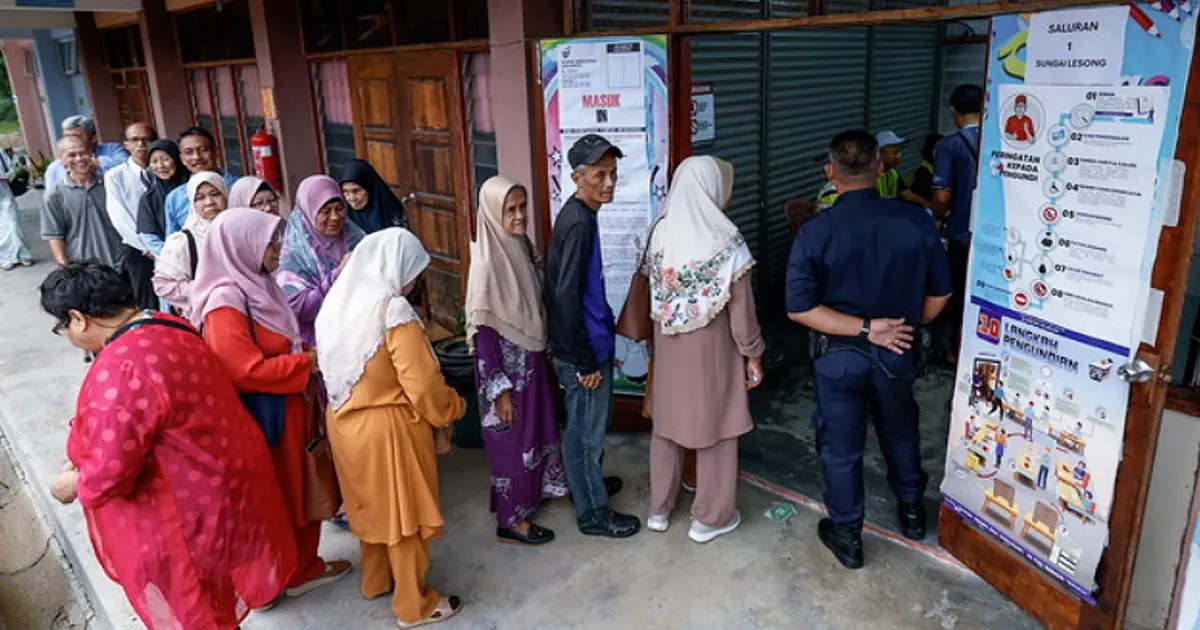
Political discourse centred on the 3R framework risks inducing what scholars describe as 'emotional fatigue' among Malay voters, according to Awang Azman Pawi, a leading analyst at Universiti Malaya's political studies division. This warning comes as Malaysia's political landscape continues to pivot between identity-based narratives and bread-and-butter issues that directly affect household finances across the nation.
Awang Azman's observation reflects a growing tension within Malaysian politics between cultural and religious positioning on one hand and practical governance on the other. The 3R concept—traditionally referencing themes central to Malay-Muslim discourse—has become a recurring feature of political messaging, particularly during electoral campaigns and parliamentary sessions. However, the analyst argues that repeated invocation of these issues without substantive resolution or demonstrable progress can create a psychological disconnect among voters who increasingly seek tangible outcomes rather than symbolic gestures.
The concern about voter fatigue carries significant implications for political parties vying for support in constituencies with large Malay majorities. When messaging becomes repetitive without corresponding policy achievements, even sympathetic voters may begin to disengage from the political process or shift their allegiance to parties perceived as offering more concrete solutions. This dynamic becomes particularly acute when pressing economic challenges persist unaddressed, creating a credibility gap between political rhetoric and lived reality.
According to Awang Azman, political parties will ultimately be assessed based on their demonstrated performance and effectiveness in tackling critical issues affecting everyday Malaysians. The cost of living has emerged as perhaps the single most pressing concern for voters across ethnic and religious lines. Rising prices for essential commodities, increased transportation costs, higher utility bills, and stagnant wages have created financial pressures that dominate household conversations and electoral calculations. When voters evaluate their political choices, these economic realities weigh heavily in their decision-making.
The escalation of cost-of-living concerns reflects broader regional and global economic trends affecting Southeast Asia. Malaysia, as a middle-income economy with substantial urban and suburban populations, faces particular vulnerability to inflationary pressures and currency fluctuations. Public sector wages, though relatively stable, have not kept pace with the rising costs of accommodation, education, and healthcare. Private sector workers, meanwhile, navigate a labour market where wage growth has lagged behind price increases, particularly in urban centres like Kuala Lumpur, Selangor, and Penang.
Parties that hope to maintain or expand their support base must therefore demonstrate concrete initiatives addressing these economic pressures. Whether through targeted subsidies, wage adjustments, tax relief measures, or investment in productivity-enhancing infrastructure, voters expect to see evidence that their representatives are actively working to ease financial strain. Parties that substitute such practical measures with repeated 3R messaging without corresponding economic deliverables risk appearing disconnected from voter priorities.
The phenomenon of emotional fatigue extends beyond simple message repetition. It reflects deeper voter frustration when political divisions seem to overshadow problem-solving. Malaysians across communities share common economic anxieties, yet political discourse sometimes fragments along lines that emphasise difference rather than shared challenges. This disconnect can breed cynicism about the political process itself, leading to lower voter turnout or split-ticket voting patterns as citizens seek alternatives.
Awang Azman's analysis suggests that political success increasingly depends on calibrating messaging to align with voter concerns. This requires parties to demonstrate that they take economic grievances seriously through policy proposals backed by credible implementation plans and resource allocation. It also means that even parties with strong ideological commitments to particular themes must find ways to integrate those concerns with practical governance agendas that directly improve constituents' material circumstances.
The challenge facing Malaysian political parties is therefore multifaceted. They must articulate their core values and constituencies' fundamental interests while simultaneously addressing the urgent economic concerns that affect voter decision-making. Parties that excel in this balancing act—maintaining clear identity while demonstrating economic competence—are likely to build durable political coalitions. Those that rely too heavily on familiar thematic territory without coupling such messaging with visible economic improvements risk losing voter engagement and trust.
Looking ahead, the trajectory of Malaysian politics will likely depend significantly on how effectively different parties navigate this balance. Regional comparisons with other Southeast Asian democracies suggest that voters consistently reward parties offering both cultural recognition and economic performance. As Malaysia approaches future electoral contests, parties will need to demonstrate not merely their commitment to long-standing principles but their capacity to translate those principles into policies that meaningfully enhance the economic security and social welfare of their constituents. The 3R framework remains relevant to many Malaysians, but relevance alone—without tangible results—may prove insufficient to sustain political enthusiasm.
%22%2F%3E%3C%2Fpattern%3E%3C%2Fdefs%3E%3Crect%20width%3D%22100%25%22%20height%3D%22100%25%22%20fill%3D%22url(%23phrxk0g)%22%2F%3E%3Crect%20width%3D%22100%25%22%20height%3D%22100%25%22%20fill%3D%22url(%23phrxk0p)%22%2F%3E%3Ctext%20x%3D%2250%25%22%20y%3D%2250%25%22%20text-anchor%3D%22middle%22%20dominant-baseline%3D%22central%22%20fill%3D%22rgba(255%2C255%2C255%2C0.95)%22%20font-family%3D%22Georgia%2C%20'Times%20New%20Roman'%2C%20serif%22%20font-weight%3D%22700%22%20font-size%3D%22194%22%20letter-spacing%3D%22-0.02em%22%3EBernama%3C%2Ftext%3E%3C%2Fsvg%3E)