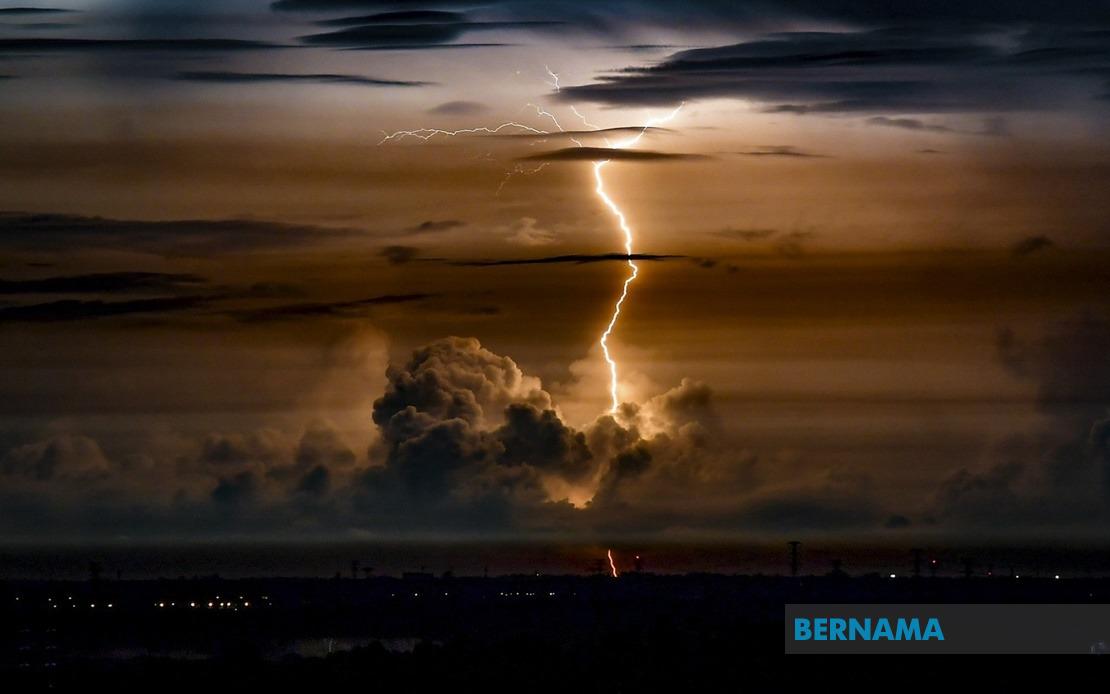
The Malaysian Meteorological Department issued a weather alert affecting a significant portion of the country as thunderstorms, heavy downpours and gusty winds threatened multiple regions until 7pm on June 19. The warning reflects the onset of the southwest monsoon season when atmospheric instability frequently generates sudden convective weather systems across the peninsula and East Malaysia.
In Kedah, residents and motorists in Pokok Sena, Padang Terap, Pendang, Sik and Baling were advised to prepare for dangerous conditions. These districts, particularly those in the northern lowlands, are vulnerable to rapid weather deterioration when moisture-laden winds interact with local terrain features. The northern state's agriculture sector, heavily dependent on stable weather patterns for irrigation and crop management, could face short-term disruptions to operations.
Perak bore the brunt of the warning, with eight districts placed under alert: Larut, Matang dan Selama, Hulu Perak, Kuala Kangsar, Kinta, Kampar, Batang Padang and Muallim. This extensive coverage underscores how the state's position on the peninsula's western spine makes it a natural conduit for weather systems moving inland from the Strait of Malacca. The inclusion of both highland areas such as those around Kinta and low-lying regions suggests the threat is widespread and not confined to elevation-dependent zones.
The northeast coast faced equally serious conditions, with Kelantan's Kota Bharu, Bachok, Machang and Pasir Puteh all included in the alert. These coastal and near-coastal districts are prone to flash flooding during heavy precipitation events, particularly in low-lying river valleys and drainage areas. Terengganu's warning covered Kuala Nerus, Hulu Terengganu, Kuala Terengganu, Marang and Dungun, indicating a broad band of vulnerability across the state's diverse geography from urban centres to upriver communities.
Pahang's central location made it susceptible to convergence effects, with Cameron Highlands, Lipis, Raub, Bentong, Temerloh and Bera all under warning. The inclusion of Cameron Highlands—a major tourism and agriculture destination—raises concerns about visitor safety and logistics along highland roads where visibility could be severely compromised. The warning also covers Temerloh, a key Pahang hub with significant commercial activity that could be affected by transport delays.
In the Klang Valley region, Selangor's Hulu Selangor, Gombak, Petaling and Hulu Langat districts faced the alert. Given that this area encompasses both the capital's immediate periphery and major population centres, the warning carries implications for millions of commuters, businesses and residents. Thunderstorms in these zones frequently trigger traffic congestion and can overwhelm urban drainage systems, particularly in rapidly developed areas where infrastructure struggles with sudden volume surges.
Johor's three affected districts—Segamat, Kluang and Mersing—span the state's interior and eastern coast. Mersing, a gateway to the East Coast islands and a significant tourist hub, could experience disruptions to maritime activities and island access. The warning highlighted how weather systems during the monsoon transition can affect tourism-dependent communities across multiple states simultaneously.
East Malaysia was equally affected, with Sarawak's warning covering Betong in the southwest, the Sarikei division encompassing Pakan, Sarikei and Meradong, and Sibu and Mukah areas. These regions, spanning rural and urban landscapes, face distinct hazards from thunderstorms—coastal areas like Sarikei risk storm surge effects while interior divisions like Sibu face riverine flooding risks. Sabah's Interior Tambunan, West Coast and Kudat zones completed the alert map, emphasizing that both Malaysian territories faced coordinated severe weather threats.
The comprehensiveness of MetMalaysia's warning reflects the department's assessment that a significant atmospheric disturbance was moving across the region, capable of producing dangerous conditions across diverse terrain and climatic zones. Such alerts serve crucial roles in public safety, enabling emergency services to prepare, allowing transport operators to implement contingency measures, and giving citizens time to secure property and adjust plans.
Thunderstorms and heavy rain during monsoon transitions present complex hazards beyond simple precipitation. Strong winds can damage structures, fell trees and create flying debris hazards. Lightning poses electrocution risks, particularly in exposed areas. Flash flooding in low-lying zones can trap vehicles and endanger lives within minutes. The afternoon timeline of the warning—active until 7pm—meant working hours would be affected, potentially complicating evacuation efforts and emergency response in peak traffic periods.
For Malaysian readers, such warnings underscore the importance of monitoring official MetMalaysia announcements, avoiding unnecessary travel in affected areas, ensuring emergency supplies are accessible, and securing outdoor items that could become projectiles. Businesses operating in warned zones should review contingency protocols, particularly those in sectors like retail, manufacturing and transportation that depend on seamless operations. The pattern of repeated monsoon-season warnings also highlights the ongoing relevance of infrastructure resilience and flood mitigation investments in vulnerable districts.
The distribution of affected areas—spanning peninsula and East Malaysia, coastal and highland zones, urban and rural communities—demonstrates how weather systems during seasonal transitions affect the nation's entire geography. Such coordinated multi-state alerts, while unsettling, represent the meteorological department's established expertise in tracking and predicting severe weather, providing populations with the advance notice necessary to minimize dangers and disruption.